
-
Contact Info
- Arusha - Tanzania
- +255 783 906 061
- info@oroktravels.com
- 24/7 Open
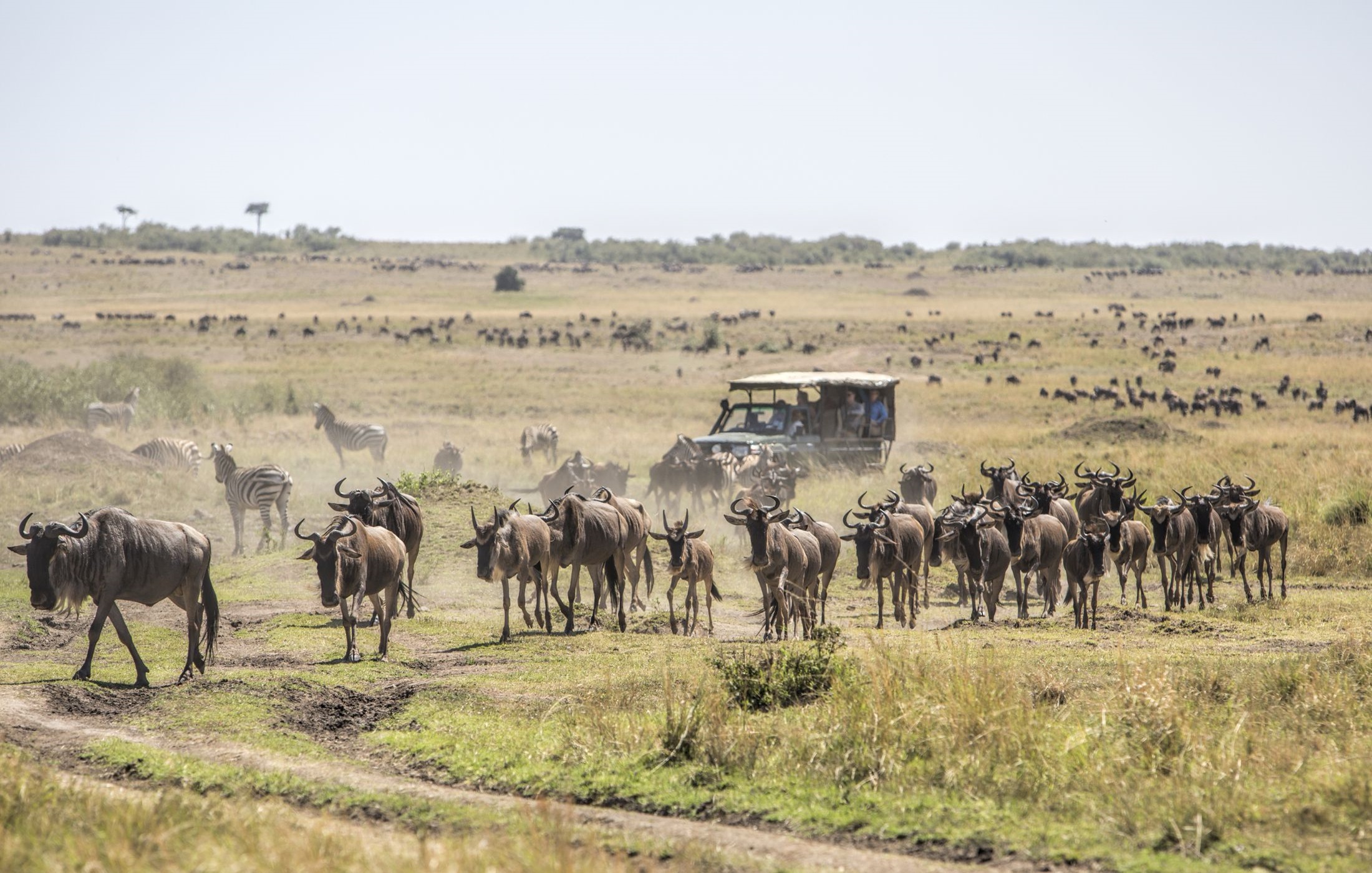
Stretching across the rolling savannahs of southwestern Kenya, the Maasai Mara National Reserve stands among Africa’s most iconic wildlife landscapes. Vast golden plains ripple beneath wide skies, broken by the silhouettes of acacia trees and the winding lifelines of seasonal rivers. Here, the rhythms of the wild unfold with remarkable clarity — predator and prey moving across an ancient stage that has changed little for centuries.
The reserve forms the northern continuation of the great Serengeti ecosystem, creating one uninterrupted wilderness where wildlife roams freely across borders. This immense ecosystem sustains extraordinary concentrations of animals. Lions patrol the grasslands, cheetahs scan the plains from termite mounds, and elephants move in stately procession through scattered woodland. Herds of zebra, wildebeest, and gazelle stretch across the horizon, their presence drawing the predators that make the Mara one of Africa’s most dynamic safari destinations.
Between July and October, the landscape hosts one of nature’s greatest spectacles — the arrival of the Great Migration. Vast columns of wildebeest and zebra surge north from the Serengeti, gathering along the banks of the Mara River before plunging into its currents. These dramatic crossings, where instinct meets survival, form one of the most powerful wildlife scenes on Earth.
Yet the Mara’s magic is not limited to migration season. Throughout the year, its open terrain allows extraordinary wildlife viewing. Predator encounters are frequent, birdlife flourishes across the grasslands and riverine forests, and each day reveals new movements within this living wilderness.
For travellers seeking the quintessential East African safari — expansive landscapes, abundant wildlife, and cultural heritage woven into the land — the Maasai Mara offers a journey that feels timeless.