
-
Contact Info
- Arusha - Tanzania
- +255 783 906 061
- info@oroktravels.com
- 24/7 Open
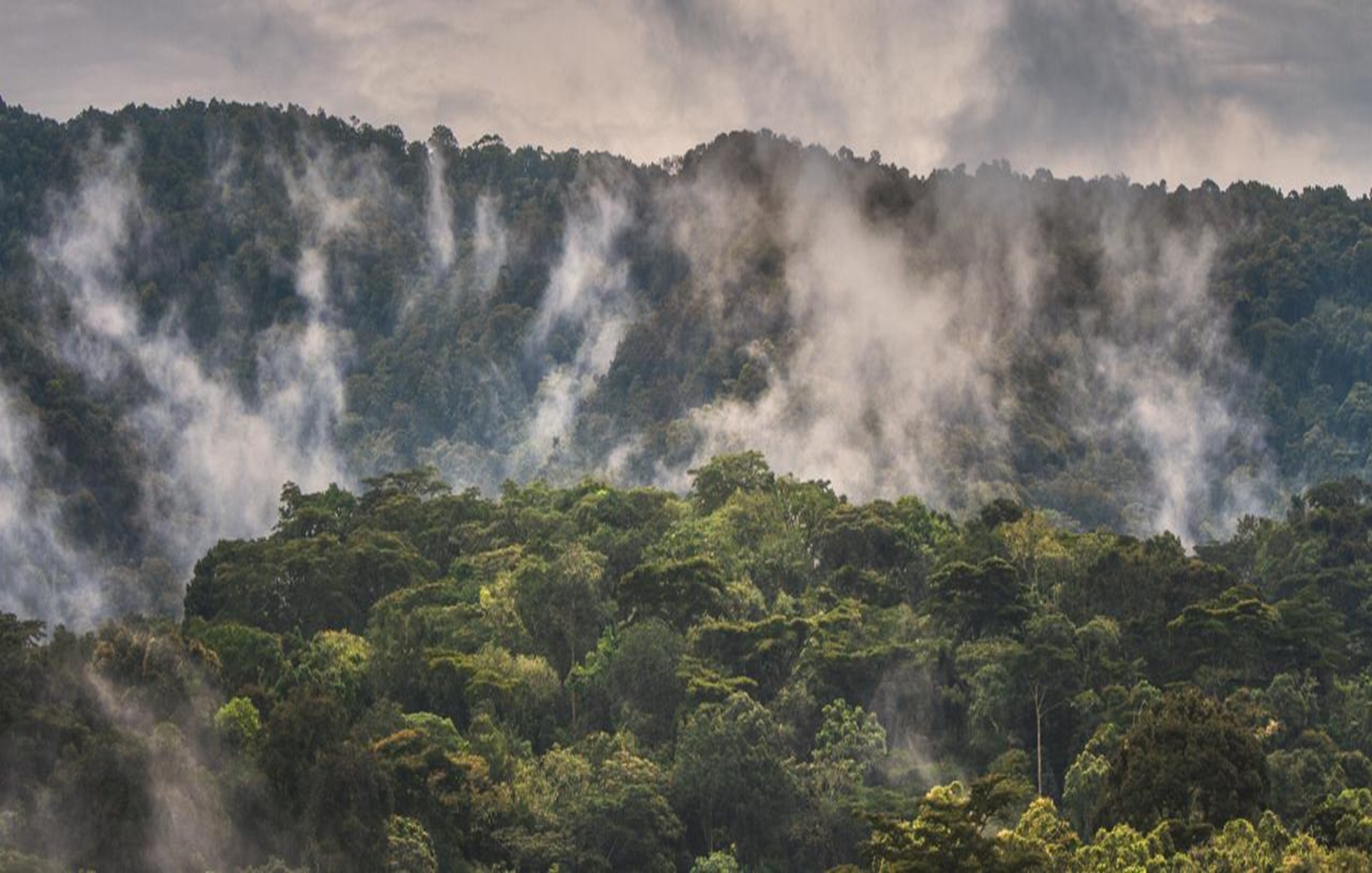
Hidden within the misty highlands of southwestern Uganda, Bwindi Impenetrable National Park protects one of Africa’s most ancient and biologically rich forests. Cloaked in dense vegetation and tangled vines, this UNESCO-listed wilderness forms part of the greater Albertine Rift, a region celebrated for its extraordinary biodiversity and dramatic landscapes.
The name “Bwindi” translates fittingly to “impenetrable,” a reference to the forest’s thick undergrowth and towering trees that weave together to form a living green cathedral. Within this lush environment lives nearly half of the world’s remaining Mountain Gorilla population, making the park one of the most important sanctuaries for these remarkable primates.
Gorilla trekking in Bwindi offers one of the most profound wildlife encounters on Earth. Guided by expert trackers, visitors venture through steep forest trails, bamboo thickets, and moss-covered clearings in search of habituated gorilla families. When the moment arrives and a silverback emerges quietly through the foliage, the experience becomes deeply moving — a rare and humbling connection with one of our closest relatives in the animal kingdom.
Yet Bwindi’s significance extends far beyond gorillas. The ancient rainforest shelters more than 120 mammal species, over 350 bird species, and countless butterflies and plant varieties. Forest elephants, chimpanzees, and a variety of monkeys move quietly through the canopy, while colourful birds flash between branches high above the forest floor.
For travellers seeking an immersive wilderness experience, Bwindi offers something rare — a journey into one of Africa’s last truly primeval forests, where biodiversity thrives beneath layers of mist and ancient trees.